
In the early months of 2024, Mooneerams were asked to act for a new client, a lady of 81 years of age who was knocked down by a car on a zebra crossing. Our client, whom we shall refer to as P., was riding her mobility scooter at the time of the incident.
Whilst taking P’s initial instructions about bringing a possible personal injury claim, it quickly became clear how much this incident had changed her life.
Before the accident, she lived independently in her bungalow and managed her daily routine, with a care plan in place should it be required. Her main pastimes were playing the organ and attending church.
Mooneerams Director, Angus Fergusson, had conduct of this claim throughout, with the assistance of Trainee Solicitor, Bethany Davies.
What happened
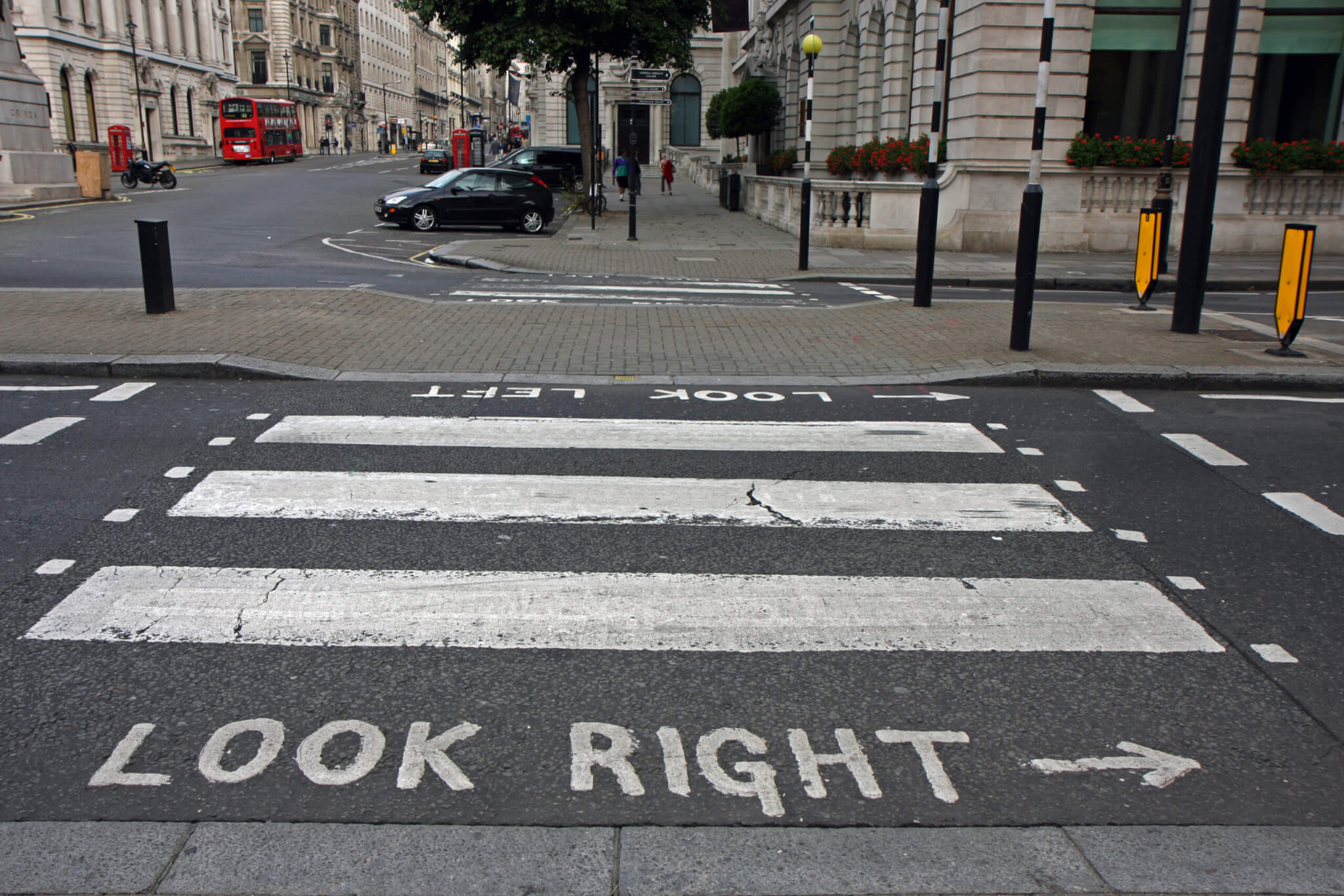
On the morning of 11 August 2023, P was in the process of crossing a zebra crossing on her mobility scooter when a driver exited a flyover bridge from her right-hand side, at speed. He failed to slow down, and despite P already being on the zebra crossing, he did not stop, and collided with her, throwing her from the scooter.
As a result of the accident, P suffered multiple injuries, including:
- a severely comminuted fracture of the left humerus
- a cracked cheekbone
- a lower lip laceration which required stitching.
- concussion
- significant facial bruising
We arranged appointments for P to be examined by two medical experts: a Consultant Geriatrician and a Consultant Orthopaedic Surgeon.
Following the consultations, both medical experts prepared medico-legal reports which confirmed the extent of P’s injuries.
Sadly, the damage caused by the injury to her upper arm is permanent, and her symptoms are unlikely to improve.
Life after the accident
P had some age related health issues before the accident, but they didn’t stop her from living alone and needing only minimal assistance.
The effects of the accident changed all this.
As a result of the injuries P suffered in the accident, she effectively became housebound, and it was soon no longer safe for her to continue living alone.
As P’s day-to-day needs increased, so too did the cost of her care. In addition, she received regular, unpaid help from her nephew and a close friend.
We included as part of her claim an amount for the gratuitous care P received from her relatives. Her incurred expenses (special damages, in legal terms) were modest, but still important to her.
Medication costs and the cost of repairs to her scooter were included in the claim against the driver alleged to have caused the accident.
Liability and causation issues
The drivers’ insurers would not admit their insured’s liability for the accident at any stage.
They queried causation i.e. whether some of the injuries were a result of the accident, or whether her age and general health were responsible for some of her medical conditions and increasing infirmity. These types of arguments have been used by insurers in previous claims Mooneerams have pursued on behalf of older clients.
Both the medical evidence and the living fact of her pre-accident independence supported P’s case. She was leading a normal life in reasonable health without the need for carers.
Reaching a settlement
The insurer’s refusal to admit liability and causation threatened to make the claim a long drawn out affair.
To get a court to decide who was liable for the accident would involve issuing court proceedings, following a timetable set by the court, and eventually attending a court hearing to have the case heard by a judge. In other words, it could be a long time before P’s case got anywhere near a trial date.
The client was fully aware of what was happening because she was constantly kept up to date with progress by Angus and Beth. P instructed Angus to try to push for an early, negotiated settlement of the claim.
In following the instructions of his client, Angus invited the driver’s insurers to make a settlement offer on 6 August 2025.
Negotiations took place over the weeks that followed, and the claim was settled on 29 September 2025 for £65,000 after taking instructions from P to do so. This figure included damages (compensation) for P’s pain and suffering, her loss of independence, care costs, and her expenses for medication and repair costs.
P’s hobby of playing the organ had been denied to her some time prior to the accident, when it fell into disrepair. P was delighted that the settlement meant that she could get the organ repaired. In addition, with her increasing frailty, she was able to go into a care home which has an active Christian group.
*We are aware that when publishing legal case studies, we sometimes refer to legal terms that are not easy to understand by people unfamiliar with legal terminology. You may therefore find it useful to look up the meaning of legal words or phrases you don’t understand by visiting our A-Z Legal Glossary.

Posted in Personal Injury Claims