

When a serious injury claim comes to an end, either by being settled before it goes to court or after being decided on by a judge at court, it can’t be reopened. If the medical evidence later proves to have been wrong or inconclusive, then that’s it. You can’t go back and ask the other side for more compensation. That is why getting the right independent expert evidence is so important.
What is ‘expert evidence’?
Independent expert evidence helps solicitors and the court understand in depth the key components of the claim, such as:
- How the accident happened
- Who was liable
- The nature and severity of the injuries
- The likely value of the claim
An expert’s duty is to the court, to help it understand matters within their area of expertise (Part 35 of the Civil Procedure Rules). This is an even better reason to ensure that your expert is not only highly competent but also independent and steadfast in the opinions they express in their reports.
Medical evidence
In serious injury claims, experienced solicitors often ask the specialists they choose – orthopaedic surgeons, neurosurgeons, psychiatrists, neurologists, and pain specialists – to prepare reports explaining the cause of the injuries, their daily impact on the claimant and provide a prognosis of the injuries sustained by the claimant.
A ‘prognosis’ is an expert’s educated estimation as to whether the injured person will recover fully or not. If the medical expert concluded they would recover, how long would it take?
This information helps serious injury solicitors value the claim. It also ensures that any settlement reflects both past losses and future care, treatment, and financial needs.
Occupational therapy evidence
Occupational therapists assess the claimant’s ability to perform daily activities and advise on the care, equipment, and any necessary adaptations to the claimant’s home.
Their specialist knowledge and experience enable them to provide evidence on matters that are significant in serious injury claims.
Forensic accountancy evidence
Serious injuries often take a heavy toll on an injured person’s finances. They may be unable to return to work for some time, and in the most severe cases, they may not be fit enough to return at all. Their future career prospects may be adversely affected, and they may lose out on private pensions and other benefits they would normally have been entitled to.
The claimant is entitled to claim financial losses arising from the impact of their injuries. Where those losses are complex, expert evidence from forensic accountants will be required.
Experts in other fields
At Mooneerams Solicitors, depending on the type of claim we are dealing with, we may engage the services of experts from other fields, including:
- Accident reconstruction
- Engineering evidence
- Care experts
- Accommodation adaptation experts
What is a ‘medico-legal report’?
A medico-legal report is prepared by a medical expert after a detailed review of the claimant’s medical records and an in-person examination of their injuries.
Medico-legal reports play a vital role in all personal injury claims.
In serious injury litigation, the claimant’s solicitors instruct their medical expert to produce a report early in the claims process. The claimant’s lawyers are obliged to obtain at least one medico-legal report before proceedings are issued.
Given the severe nature of catastrophic injuries, the medical expert will be asked to provide further reports over time. This will allow the expert to further assess the changing extent of the claimant’s injuries, allowing them to provide a more reliable long-term prognosis.
The claimant’s lawyers may need to obtain medical reports from experts in different areas of medicine. For instance, if the claimant sustained multiple injuries, such as often happens in motorcycle accidents, the claimant’s legal team might need to instruct an orthopaedic surgeon, a neurosurgeon, and a neurologist to prepare reports.
Without detailed medical evidence, it’s impossible to value a claim with any degree of accuracy or enter meaningful claim settlement negotiations.
How do solicitors use medico-legal reports?
Medico-legal reports are crucial for establishing that the defendant’s negligence caused the claimants’ injuries. They are also pivotal when calculating the amount of compensation the claimant receives. However, their usage extends far beyond these two principal goals.
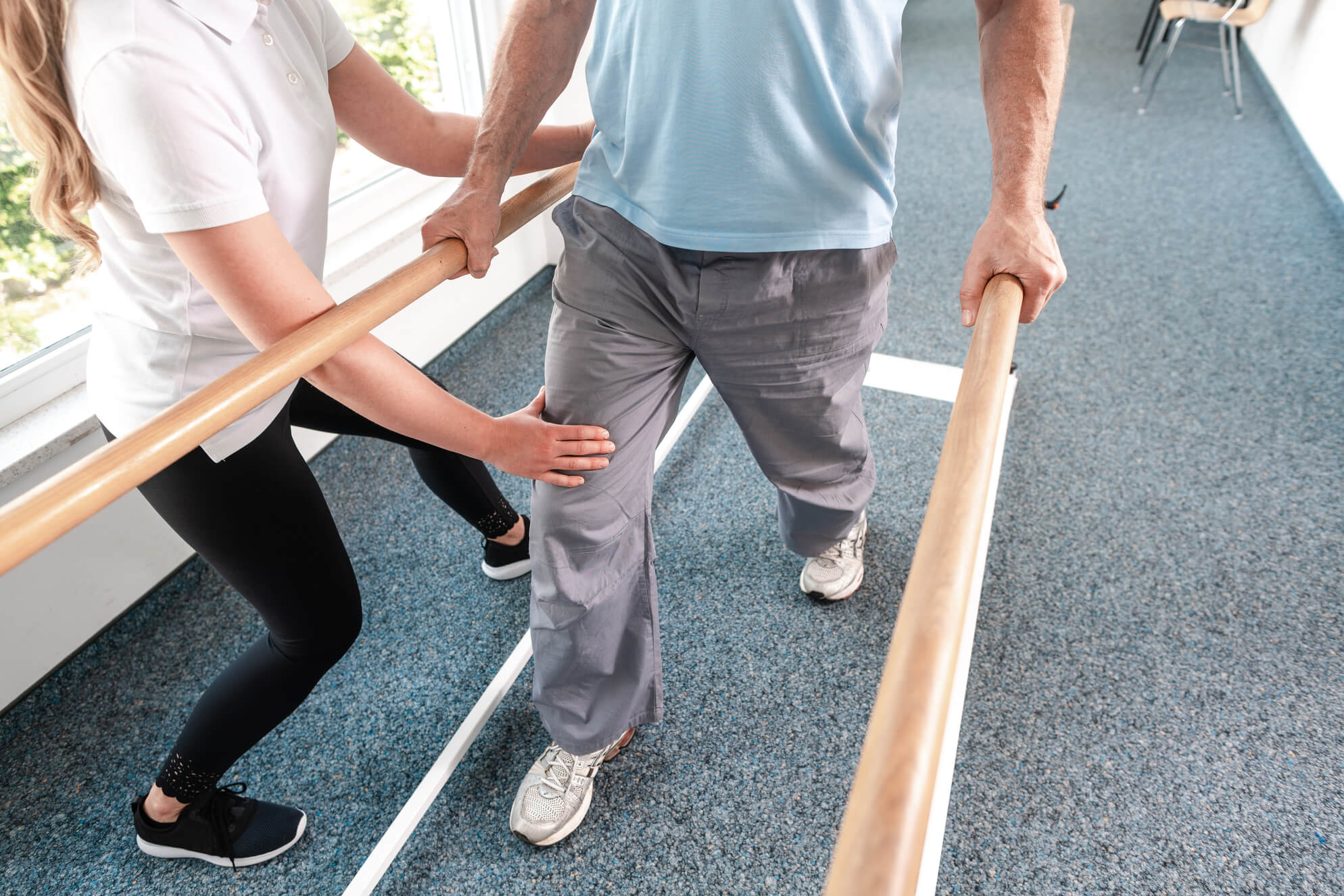
For example, the claimant’s legal team may use the evidence in the report to obtain early medical intervention and rehabilitation for their client.
Early rehabilitation is said to help improve the prospect of favourable outcomes after serious injury. For instance, clinical research has shown that early rehabilitation improves long-term independence among individuals with spinal cord injuries.
The claimant’s personal injury solicitor’s role is not limited to ensuring their clients receive the compensation they deserve. They must also secure rehabilitation and other support the client requires to facilitate the client’s recovery as quickly as possible.
How can medical evidence help the claimant to obtain an interim payment?
Complex injury claims can take a long time to resolve. Accordingly, clients may face a considerable delay in receiving their compensation. When they need financial support, to cover, say, the cost of early medical intervention or lost wages, the claimant’s lawyers should attempt to obtain an ‘interim payment’.
An interim payment is not additional compensation. It is an ‘advance’ on the final damages award.
In serious injury claims, the claimant’s legal team rely on medico-legal reports to support requests for interim payments. They will begin by making an informal request to the other side’s insurers, using the medico-legal reports they have obtained as evidence of the nature and severity of the client’s injuries, the need for early rehabilitation, and the client’s inability to work.
If the other party refuses a request for an interim payment or makes an inadequate offer, a formal application to the court will be required.
The solicitors will use the medical evidence to support the application, and the judge will make a decision, largely based on the medical report(s).
At the hearing of the interim payment application, the judge reviews the report to:
- check that the overall damages will exceed the interim payment being sought
- assess what the payment is needed for
- satisfy themselves that the claimant’s request is justified.
Why is expert evidence so important in serious injury claims?
- Persuasive expert reports can encourage the paying party to make meaningful settlement offers at an early stage in the claims process (assuming there is a final prognosis).
- If the matter proceeds to trial, the court relies heavily on the expert reports when making its decision on the outcome of the claim.
- In serious injury claims, the quality of the expert evidence often makes the difference between achieving the maximum settlement possible and under-settling the claim.
Why should I use Mooneerams Solicitors to handle my serious injury claim?
Mooneerams Solicitors is one of the few firms dedicated exclusively to handling personal injury, clinical negligence, and industrial disease claims. In addition, we handle claims only on behalf of claimants, never on behalf of defendants or their insurers.
Our team of personal injury lawyers is experienced in handling a wide range of injury claims, including serious and catastrophic injuries, brain and spinal injuries, and high-value claims.
At Mooneerams, we have long-standing relationships with leading experts.
To find out more information about how the specialist legal team at Mooneerams can help you secure the compensation you deserve following an accident caused by someone else’s negligence, call us on 029 2199 1927 or request a call back by completing the form on this page.
We usually act for our clients on a No Win, No Fee basis.

Frequently Asked Questions About Expert Evidence in Serious Injury Claims
Do I need to obtain a medical report to bring a successful serious injury claim?
Yes. Without any medical evidence in support, it’s impossible for your solicitor or a court to place any meaningful value on your serious injury claim.
Medical evidence, in the form of at least one medical report from an experienced, independent medical expert, is needed to provide a diagnosis of the claimant’s injuries, to confirm causation and, where possible, to provide a prognosis.
All of these components are required to calculate how much compensation the injured person should receive. Most serious injury claims will require more than one medical report before accurate valuations can be made. Without appropriate medical evidence, settlement discussions cannot take place.
How many medical experts are needed in a serious injury claim?
There is no set figure. It depends on the type and extent of the injuries sustained by the prospective claimant. Different types of experts will be needed for spinal injuries than for traumatic brain injuries. Catastrophic injury cases usually require multiple reports from multiple experts before all aspects of the claim have been covered in detail by the appropriate experts. Only at that stage will the full extent of the claim become apparent.
Can expert evidence increase the value of my serious injury compensation?
It’s probably more accurate to say that if all the expert evidence that should have been obtained isn’t, the claim is likely to be undervalued. The same applies to getting accurate evidence.
Obtaining the right expert evidence for every aspect of the claim will ensure that the solicitors on both sides of the claim, and if necessary, a judge at court, will have all the evidence needed to properly value the claim.
What happens if medical evidence changes during the claim?
Serious injuries can take a long time to heal; in some cases, the claimant may not fully recover. Accordingly, the prognosis is likely to change and may do so several times. If new symptoms appear or the claimant’s recovery does not progress as initially expected, further medical and other reports may be needed.
It’s imperative that the necessary reports are obtained to prevent a claim from being settled before the full extent of the injury is ascertained.
Can I receive some compensation before my serious injury claim settles?
In many cases, yes. Where liability is admitted, or it is clear that it will not be in dispute, even if not formally admitted, the claimant can ask the defendant for an interim payment.
Medical evidence is needed to support the claim for the amount sought and to demonstrate the need for some early financial support, such as to pay for much-needed rehabilitation or to replace lost income and thus alleviate any financial insecurity the claimant is experiencing.
An interim payment may be made voluntarily by the defendant or by order of the court, if a voluntary payment is not forthcoming.

Posted in Personal Injury Claims