

Most people go on holiday in the UK expecting to enjoy a few days escaping from their normal lives. A change of scene. Time with the family. A break from work. Perhaps a cottage by the coast, a caravan park, a hotel, a campsite, a city break, or a few days at a visitor attraction with the children.
The last thing they expect is to come home injured or ill because something went wrong that should have been avoided
Holiday accidents rarely differ in type or the way they are caused, just because you are on your hols!
Whether it is:
- a slip on unsafe flooring
- a fall on broken steps
- food poisoning caused by poor hygiene
- an accident in a swimming pool
- a trip on badly maintained paving
- or an injury during an organised activity
Any one of these accidents can turn a short break into something far more stressful.
Holiday accident claims in the UK follow the same legal process as other personal injury claims. The fact that you were away from home when the accident happened does not make the claim different.
Not all holiday accidents lead to a personal injury claim. Sometimes accidents happen, but it’s no one’s fault. Sometimes the injured person is at fault. However, if you were injured on holiday in the UK because someone failed to take reasonable care, you may be able to claim compensation.
In this article, we provide answers to questions such as:
- When is a claim possible?
- Who is responsible?
- What evidence do you need to get?
- How long do you have to start a holiday injury claim?
Can you claim if you are injured on holiday in the UK?
You may be able to claim if your injury was caused by someone else’s negligence.
For instance, the negligent person or organisation may be the owner or management of a:
- hotel
- holiday park
- campsite
- restaurant
- pub
- leisure centre
- activity centre
- tour operator
Alternatively, a local authority, activity provider, landlord, or another business may have been responsible for failing to take reasonable care to ensure that visitors to their property or business were kept safe during their visit.
So, the question to ask yourself is: “Was I injured because someone failed to do something I could reasonably expect they should have done?”
For example, a claim may be possible if you suffered an injury because of:
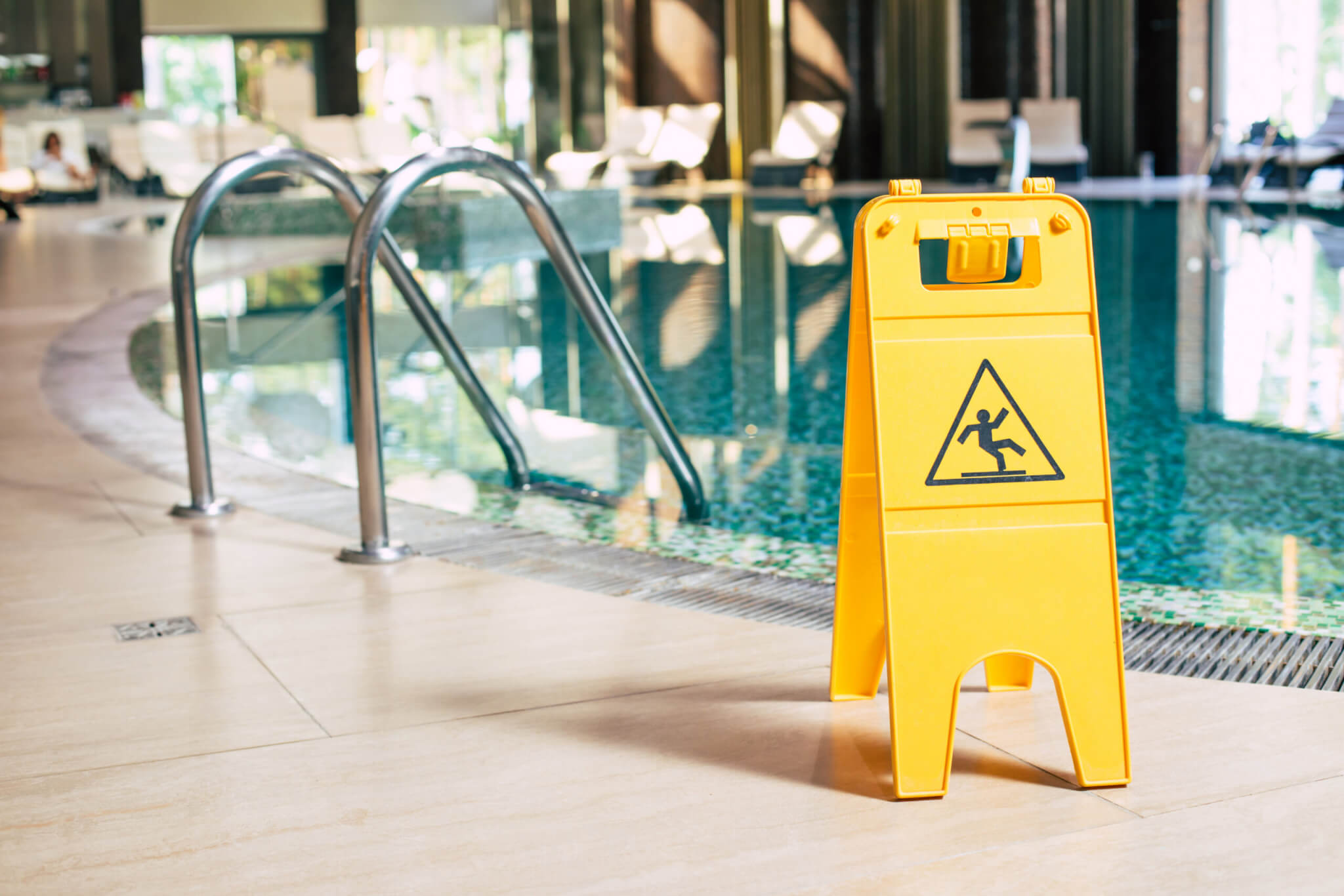
- a wet floor with no warning signs of the dangers of slipping
- broken or uneven steps
- poor lighting in a public area
- loose handrails
- unsafe play equipment
- defective furniture
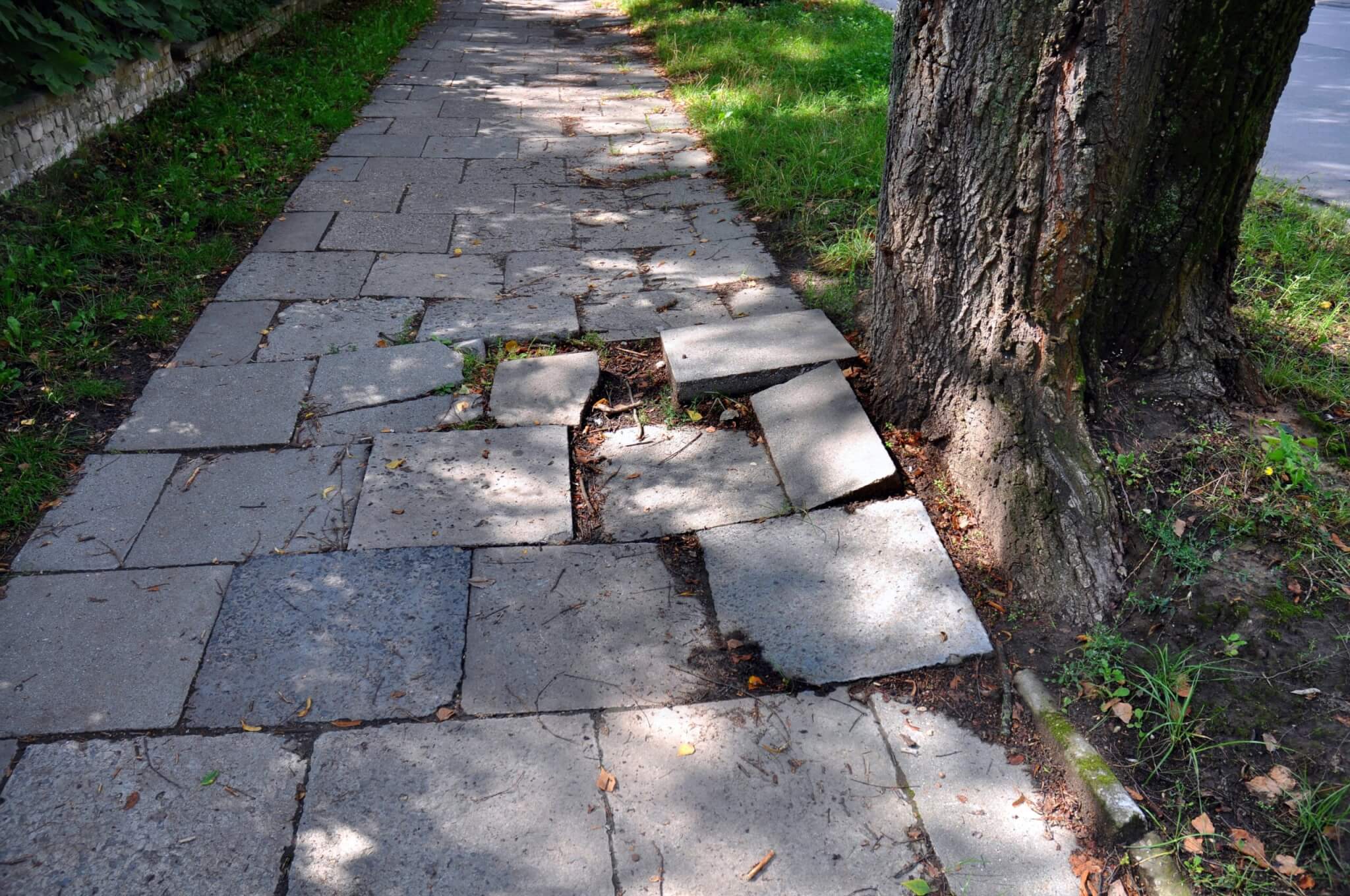
- badly maintained paths or paving
- poor food hygiene
- unsafe accommodation
- poor supervision during an organised activity
- a road traffic accident while travelling during your holiday break
To have a chance of bringing a successful claim, the accident must have caused you to suffer injury. There must have been a link between what went wrong and the injury you suffered.
The injury may be physical, psychological, or both. Some of the more common injuries sustained in a holiday accident include:
- fractures
- soft tissue injury
- head injury
- back injury
- burn
- scarring
- illness
- or an injury that makes an existing condition worse.
Who might be responsible for a holiday accident in the UK?
This depends on where and how the accident happened.
If you slipped in a hotel reception, the hotel operator may be responsible. If you fell at a holiday park because of a broken walkway, the holiday park owner or operator may be at fault. If you were injured in a restaurant, café or pub, the business running those premises may have questions to answer.
In some cases, the identity of the responsible party may be less obvious.
For example, a holiday cottage may be managed by an agent.
A leisure activity club may be run by a separate company.
Coach trips may be arranged through a tour operator.
A dangerous pavement may be the responsibility of a local authority.
Claiming for an injury on a package holiday in the UK may follow a different route from a claim arising from a self-booked break.
The main challenge an injured person faces is finding out who owed them a duty of care and whether that duty was breached. Doing this on your own, without getting legal advice from an experienced solicitor, can be fraught with difficulties.
This is one of the reasons it helps to speak to a personal injury solicitor who regularly deals with accident claims.
What sort of UK holiday accidents lead to claims being made?
Holiday accident claims occur in many ways.
Some of the more common examples include:
Slips, trips and falls
These are among the most common types of accident in any walk of life. They happen in hotels, restaurants, shops, holiday parks, campsites, leisure centres, public paths, car parks and visitor attractions, to name but a few.
A slip, trip or fall accident may not look much at first, but falls cause broken wrists, ankle injuries, hip injuries, shoulder injuries, head injuries and back problems.
The key issue, when deciding whether there are prospects of bringing a successful claim, is working out what caused the fall.
Was there a spillage that caused someone to slip and fall?
Was there a warning sign of a hazard?
Had the defect been there long enough for someone to notice and deal with it? Were inspections being carried out?
Accidents in hotels, lodges and holiday accommodation
People can be injured in holiday accommodation due to broken furniture, loose carpets, unsafe balconies, faulty doors, poor lighting, defective showers, scalding hot water, broken tiles or badly maintained communal areas.
Hotel staff and accommodation providers are only expected to take reasonable care, so they are not responsible for every mishap. However, if they knowingly ignore hazards or fail to spot them when they should have known about them and then fail to rectify the situation, then that is not taking reasonable care. Accidents caused by those defects will be the responsibility of the hotel management or accommodation providers.
Food poisoning and illness
The Food Standards Agency estimate that there are around 2.4 million cases of foodborne illness in the UK every year.
Food poisoning can ruin a holiday and leave people ill long after they return home. If someone gets ill from eating substandard food, they might have reasonable prospects of bringing a food poisoning claim against the food outlet responsible for providing the food that caused the illness.
There are numerous reasons why a restaurant, café, pub or takeaway may have served dodgy food: unsatisfactory food preparation, undercooked food, bacterial contamination, or a failure to follow proper food safety procedures.
It can be harder to gather together suitably strong evidence with illness claims, so it is important to seek medical treatment, keep receipts, make a note of what you ate on the day before, day of and day after the incident, and report the illness to the hotel, restaurant or holiday provider as soon as possible.
Accidents at visitor attractions
All visitor attractions must take reasonable steps to keep visitors to their premises safe. Places like theme parks, zoos, museums, play centres, heritage sites, farms, and activity parks can get particularly busy in the summer months.
That brings even more clearly into focus the need for rigorous safety inspections on a frequent basis. Hazards or faults found must be rectified quickly and effectively. Safe methods for handling large numbers of visitors to their attraction must also be enforced.
This might include maintaining walkways, checking equipment, giving proper instructions, managing queues safely, training staff, and putting warning signs in the right places.
Activity and leisure accidents
Some holidays involve activities such as horse riding, cycling, climbing, water sports, swimming, zip wires, gym use, boat trips or organised excursions.
There is always some level of risk associated with physical activity. Part of the appeal of activity pursuits like those named above is that they carry with them varying degrees of jeopardy.
However, there is a difference between accepting the natural risks of some of these activities and accepting risks caused by errors made by the organisers.
The question is whether the activity provider took reasonable care. Were you given proper instructions? Was the equipment safe? Were staff trained? Was supervision suitable? Was the activity appropriate for the people taking part?
If the answer to one or more of those questions points to poor organisation, unsafe equipment or lack of proper supervision, you may have grounds for claiming.
Road traffic accidents while on holiday
If you are injured in a road traffic accident while on holiday in the UK, the claim will usually be dealt with in much the same way as any other road accident claim in England and Wales.
This could include accidents involving cars, motorcycles, bicycles, pedestrians, taxis, coaches or buses.
If your accident happened in Scotland or Northern Ireland, different rules or procedures may apply, so it is worth getting advice quickly.
What if the holiday was a package holiday?
Some UK breaks are sold as package holidays.
The Package Travel and Linked Travel Arrangements Regulations 2018 can apply to UK holidays as well as holidays abroad.
In broad terms, a package holiday is usually where two or more travel services, such as accommodation, transport, car hire or a tourist service, are sold together as part of the same trip.
If something goes wrong with part of the package, the organiser or tour operator may be responsible, even if the accident took place at a hotel or holiday park or during an activity provided by someone else. This can sometimes give an injured holidaymaker a clearer route to making a claim, rather than having to pursue the individual business directly.
If you were injured on what you believe was a package holiday but are unsure whether your break counts as one, do not guess.
Call one of our personal injury lawyers at Mooneerams on 029 2199 1927, so we can quickly advise you on the effects of the Package Travel Regulations and, importantly, whether your claim can be brought as a package holiday claim.
Does travel insurance affect a personal injury claim?
Travel insurance and a personal injury claim are not the same thing. Your travel insurance may help with immediate costs, depending on the policy, such as medical treatment, cancelled plans, extra travel expenses or lost belongings. A personal injury claim looks at whether someone else was legally at fault for your injury and whether compensation can be recovered from them or their insurer.
If you receive money from your travel insurer for losses that are also included in your personal injury claim, you must tell your solicitor. You cannot usually recover the same loss twice. In some cases, your travel insurer may be entitled to be repaid from the compensation recovered from the person or business responsible for the accident. Your solicitor will take this into account when putting the claim together, so that the figures are dealt with properly.
What should you do after an accident on holiday in the UK?
Your first priority is your health. If you’ve been in an accident, get medical treatment as soon as possible. If you suffer serious injuries, call the emergency services so that you can be taken to A&E as quickly as possible.
If you are fit enough to do so, or better still have someone with you who can do this for you, try to gather evidence. This can make a big difference at a later stage.
Useful steps include:
- reporting the accident to the hotel, holiday park, restaurant, attraction or business involved
- ask for the accident to be recorded in an accident book at the place where you were injured
- take photos or videos of any hazard at the scene of the accident
- take photos of your injuries
- get names and contact details of anyone who witnessed the accident
- keep receipts for travel expenses, medication, parking, taxis and other costs that you incurred after the accident
- keep booking confirmations and holiday paperwork
- make a note of who you spoke to and what they said
- keep copies of emails or messages about the accident
- contact your GP or another medical professional when you get home, if symptoms continue
Do not worry if you did not do all of this at the time of the accident. Suffering an injury in an accident can be a very traumatic experience. A solicitor can still advise you on whether there is enough evidence to investigate a claim at a later date.
How long do you have to claim?
In most personal injury claims in England and Wales, the Limitation Act 1980 provides that the usual time limit for starting a claim is three years from the date of the accident. ‘Starting a claim’ means issuing ‘court proceedings’, not simply writing a letter to the other side’s insurers.
That does not mean you should wait three years. Evidence can disappear. CCTV may be deleted. Staff may move jobs. Witnesses may forget details. The sooner you get advice, the easier it usually is to investigate properly.
Different rules may apply in some situations, including claims involving children, people who lack mental capacity, accidents abroad, flights, ships, or claims governed by different legal rules.
As a general rule, if you are thinking about bringing a claim, get advice sooner rather than later.
What sort of compensation may I receive for a successful injury claim?
Compensation is not just about the injury itself.
A claim may include compensation for pain, suffering and loss of amenity. That means the effect the injury has had on your day-to-day life, hobbies, family life, sleep, work and general wellbeing.
A claim may also include financial losses, such as:
- loss of earnings
- cost of medical treatment
- cost of physiotherapy or rehabilitation
- travel expenses
- care and help from family members
- damaged clothing or belongings
- cancelled activities
- extra accommodation or transport costs
- future losses, if the injury is likely to have a long-term effect on the accident victim
Do you need a solicitor?
You are not obliged to use a solicitor for an accident claim. However, holiday accident claims are not always straightforward. Using a solicitor will help, particularly if there is a dispute about who was at fault.
An experienced personal injury solicitor will look at the circumstances and evidence and will tell you whether the claim has reasonable prospects. They can also deal with the other party’s insurer, gather evidence, obtain medical reports, value the claim properly and guide you through the claims process.
At Mooneerams, we handle most holiday accident claims on a No Win No Fee basis.
Injured on holiday in the UK? Speak to Mooneerams
At Mooneerams Solicitors, we are specialist personal injury solicitors who act for injured people from all across England and Wales. We only represent claimants in personal injury and clinical negligence claims. That means our work is focused on helping people who have been injured, not insurers.
If you were injured on holiday in the UK and want to know whether you may have a claim, we’ll be happy to talk it through with you.
Call Mooneerams on 029 2199 1927 to speak to a member of our team now. Alternatively, request a callback by completing the form on this page.

Posted in Personal Injury Claims, Road Traffic Accidents