In August 2025, an e-bike battery exploded while it was charging near the back door of a house in Port Tennant, Swansea. Fire crews were called, and although the occupants needed first aid, it could easily have been far worse.
BBC Verify reveals that there were at least 18 deaths and nearly 700 injuries from e-bike and e-scooter battery fires between 2019 and 2025.
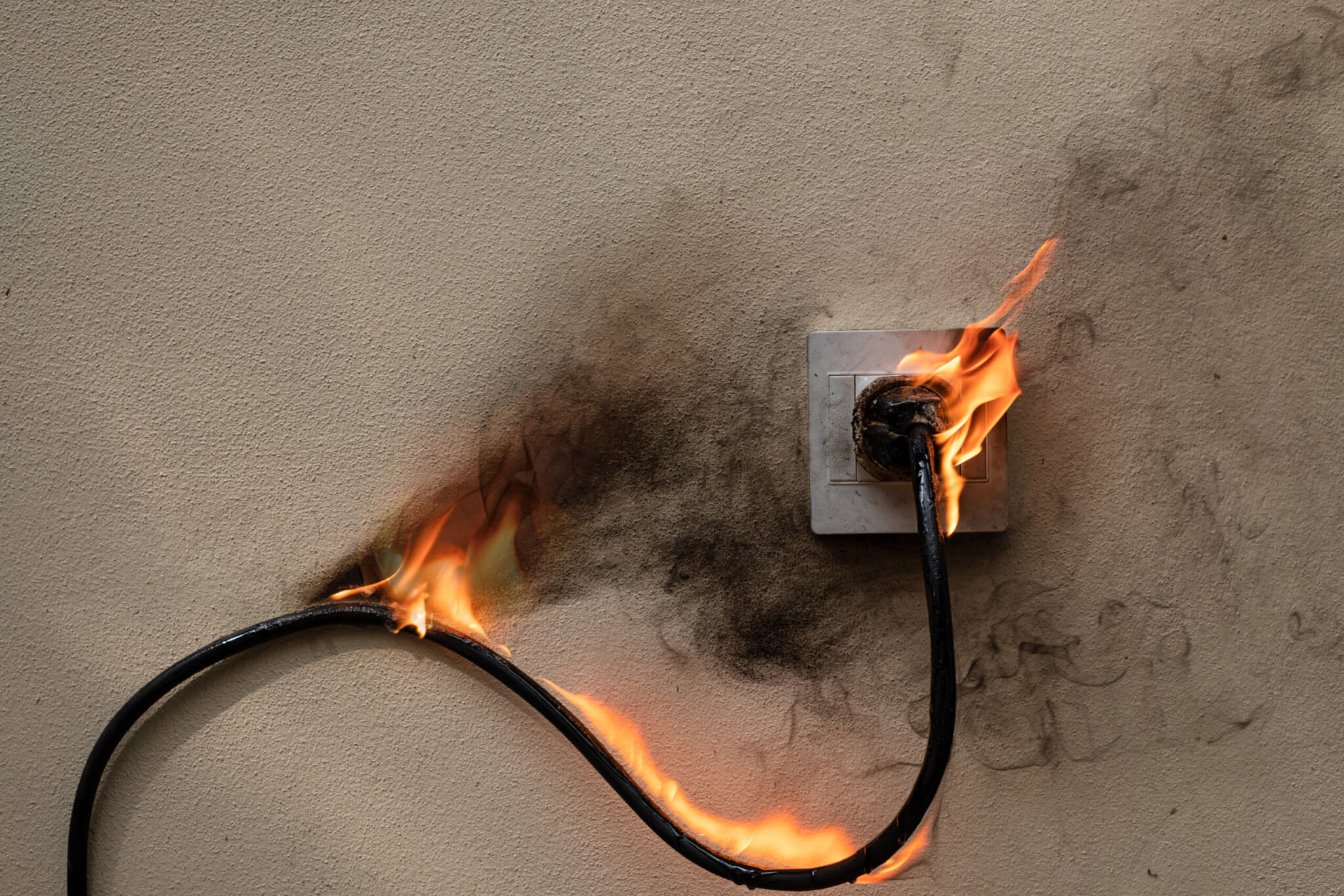
Injuries caused by e-bike battery fires can be catastrophic. They include burns, smoke damage to the lungs, broken bones, and lasting psychological trauma. In the worst cases, battery fires can result in fatal accidents.
Why do e-bike batteries catch fire while charging?
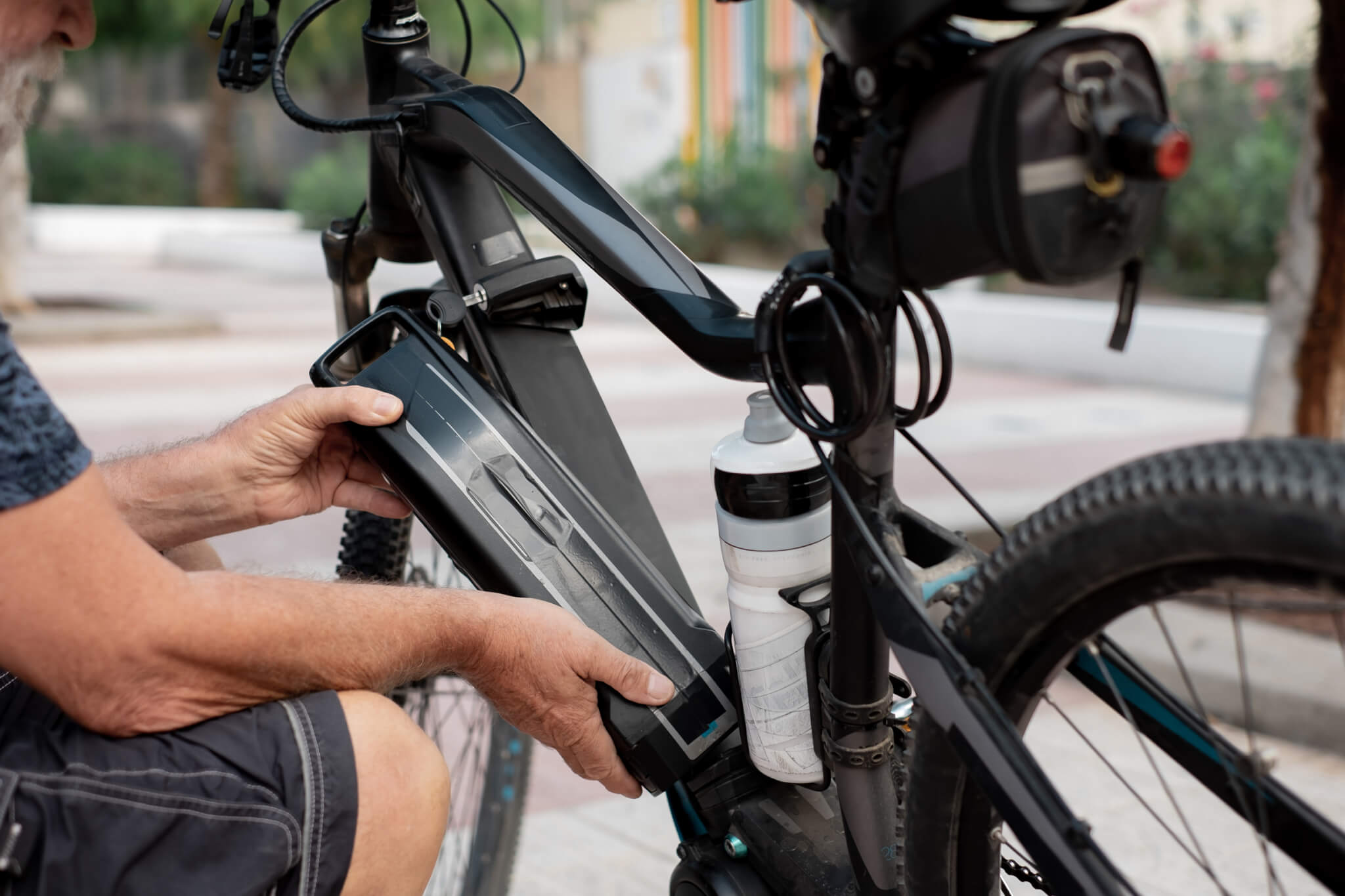
E-bike batteries are made up of dozens of lithium-ion cells. If one cell is damaged, poorly made, or overcharged, it can overheat and spark the others. This chain reaction, known as thermal runaway, can cause intense fires that are difficult to put out.
Many fires begin while the battery is on charge, especially if the charger isn’t the one recommended by the manufacturer or is cheaply made. Conversions, where an ordinary bike is fitted with an add-on kit, account for a large share of e-bike battery fires: 38% of the e-bike fires reported to the Office for Product Safety and Standards (OPSS) in 2025.
What injuries are most common from e-bike battery fires?
Burns are the most obvious risk. Lithium-ion fires are incredibly hot, can emit jets of flame, and sometimes reignite after appearing to go out. Deep burns may require invasive treatment, including skin grafts.
Burning battery cells release toxic gases, including carbon monoxide, which starves the body of oxygen. The lesser-known hydrogen fluoride gas is also emitted, which can cause airways to swell and tighten, and lead to fluid build-up in the lungs.
E-bike battery fires sometimes cause unexpected injuries, such as broken bones. In Bristol, in 2022, a man died trying to escape a 16th-floor flat after an e-bike battery caught fire.
In addition to physical injuries, many people develop anxiety and post-traumatic stress, conditions that can last for years after the incident. Recognised, diagnosed psychological injuries form part of a compensation claim just as much as physical ones do.

What should you do if an e-bike catches fire near you?
- The advice from the fire services is clear – don’t try to fight a lithium-ion battery blaze. Get out (if you are in a building), close the doors behind you, and call 999. Once one cell overheats, the reaction quickly spreads from cell to cell, and the fire can turn explosive.
- Next, seek medical help. Everyone who inhaled the smoke should be checked over at A&E or through NHS 111 (NHS 111 Wales if you live in Wales). It doesn’t matter that they may appear fine. Symptoms don’t always appear straight away.
- If anyone is struggling to breathe or is otherwise seriously injured, call 999. Let the doctors know it was a lithium-ion battery fire, so they are aware that you may have breathed in hydrogen fluoride.
- Keep hold of your discharge notes, prescriptions, and appointment letters. If you decide to make a personal injury claim, your medical records are key evidence of your injuries.
What evidence do you need to bring a personal injury claim following an e-bike fire?
Once everyone is safe, and if you feel up to it, start collecting evidence to support any compensation claim you decide to pursue. The types of evidence that can help include:
- The battery is usually the most important piece of evidence. Even a burnt-out battery can tell a fire investigator a lot about what caused the incident.
Where possible, keep the battery’s remains, as well as the remains of the charger and bike, and don’t let anyone throw them away during the clear-up.
Only go back into the scene of the fire once the fire service personnel signal that the scene is safe. Leave any handling of a burnt battery to them or your insurer.
- If the fire service or your insurer takes the remains away, ask for the contact details of the department that has them and where they will be stored. Request that they do not destroy the remains without telling you first.
- Proof of where the battery came from. This might be in the form of receipts, order emails, or a screenshot of any online listing and seller before it disappears.
- Photos of the damage and where the battery was charging. Always wait until it is safe to re-enter.
- A note of when you started charging the e-bike, which charger you used, and any warning signs.
- If the e-bike wasn’t yours, for example, it belonged to a flatmate or neighbour, a note of whose it was and where it was kept or charged. You don’t need to have bought the product yourself to claim for injuries it caused.
- The incident number from the fire service.
- Details of your financial losses, such as prescription and treatment costs, lost earnings, and travel expenses to hospital appointments. These form part of your compensation claim.
Who could be responsible for an e-bike battery fire?
Liability for an e-bike battery fire may lie with a number of parties, and sometimes with more than one. Depending on the circumstances, a claim may be made against:
- The manufacturer or importer. Under the Consumer Protection Act 1987, the ‘producer’ of a defective product is responsible for the harm it causes. That can be the manufacturer, a business selling the battery or bike under its own brand, or whoever imported it into the UK. You don’t have to prove they were careless, only that the product was defective, and that this caused your injuries.
- The seller. A seller who can’t or won’t name the producer, within a reasonable period of being asked, can sometimes be held liable instead. If you bought the battery yourself, the Consumer Rights Act 2015 also gives you a claim against the seller if it wasn’t of satisfactory quality, which includes being unsafe.
- Whoever fitted or modified the battery, if they didn’t take appropriate care.
Where a defective battery was sourced from an online marketplace, making a claim can be more difficult. The marketplace itself isn’t generally considered to be ‘the seller’ for legal purposes when a battery was listed by someone else, and the seller themselves may be located abroad, or even untraceable.
The Product Regulation and Metrology Act 2025 gives the government power to put new safety duties on online marketplaces, but those duties aren’t yet in force. Therefore, claims of this nature remain tricky.
What if you were partly to blame?
As you might expect, manufacturers often defend these claims vigorously. They may argue that the battery had been dropped, modified, charged with the wrong charger, or left on too long.
Sometimes, they maintain that their product didn’t start the fire at all. It may be necessary to instruct an independent fire investigator or electrical engineer to establish that the battery was the cause of the incident.
Even if you did something the instructions warned against, your claim doesn’t automatically fail. If what you did contributed to your injuries, a court can reduce your compensation by a percentage to reflect your share of the blame (contributory negligence). For example, charging overnight goes against fire service advice, but a defective battery may have failed whenever it was charged.
How can you reduce the risk at home?
When a lithium-ion battery fails, it can release its stored energy in seconds, bursting into flames and filling the room with toxic smoke. Following the tragic death of an eight-year-old boy in an e-bike fire at his home in Birkenhead in 2024, Liverpool and Wirral Area Coroner Anita Bhardwaj warned that ‘the general public do not appreciate the life-threatening risks’ of storing lithium-ion batteries at home.
We should stress that many e-bikes are charged every day without issue. To minimise the risk of things going wrong, fire services across England and Wales give the following advice:
- Buy batteries and chargers from the manufacturer or a reputable retailer, and only use the charger made for your battery.
- Charge while you’re awake and at home and unplug it when it’s full.
- Never charge or store an e-bike in a hallway or by a door you might need to escape through.
- Fit smoke alarms and a heat alarm in the garage or kitchen if you charge there.
- Immediately stop using a battery that gets hot, swells, smells strange, or has been dropped. Contact the manufacturer or your local council for advice on how to dispose of it safely. Never put it in your household bin.
- Do not overload sockets, and only use appropriate extension leads.
Get in touch with Mooneerams solicitors
If you or someone close to you has been hurt in an e-bike battery fire, you don’t need to know who was responsible or have all the evidence before getting in touch.
Working out who is liable and compiling the evidence needed to prove your case is a major part of what our personal injury solicitors do.
If you’ve been hurt in a fire caused by an e-bike battery, starting a personal injury claim is probably the last thing on your mind.
However, it’s worth considering, as you may be entitled to compensation for pain and suffering from injuries caused by an e-bike battery fire. Your compensation may also cover some of the financial losses you sustain, which can ease the burden on you and your family at an already stressful time.
We’d advise you to get in touch sooner rather than later, preferably as soon as you feel up to it. Most personal injury claims must be started within three years of the injury, and evidence is easier to secure while it’s fresh in people’s minds.
We have acted for thousands of injured people since opening our first office in Cardiff in 2002. We handle claims for clients across England and Wales, usually on a No Win No Fee basis. Call us anytime, with no obligation, and you can expect a professional yet friendly service from start to finish.
Call 029 2199 1927 to speak with one of our personal injury lawyers. Alternatively, leave your contact details in the box on the right-hand side of this page and press the button to send them to us. We’ll get back to you very quickly.

Posted in Personal Injury Claims