

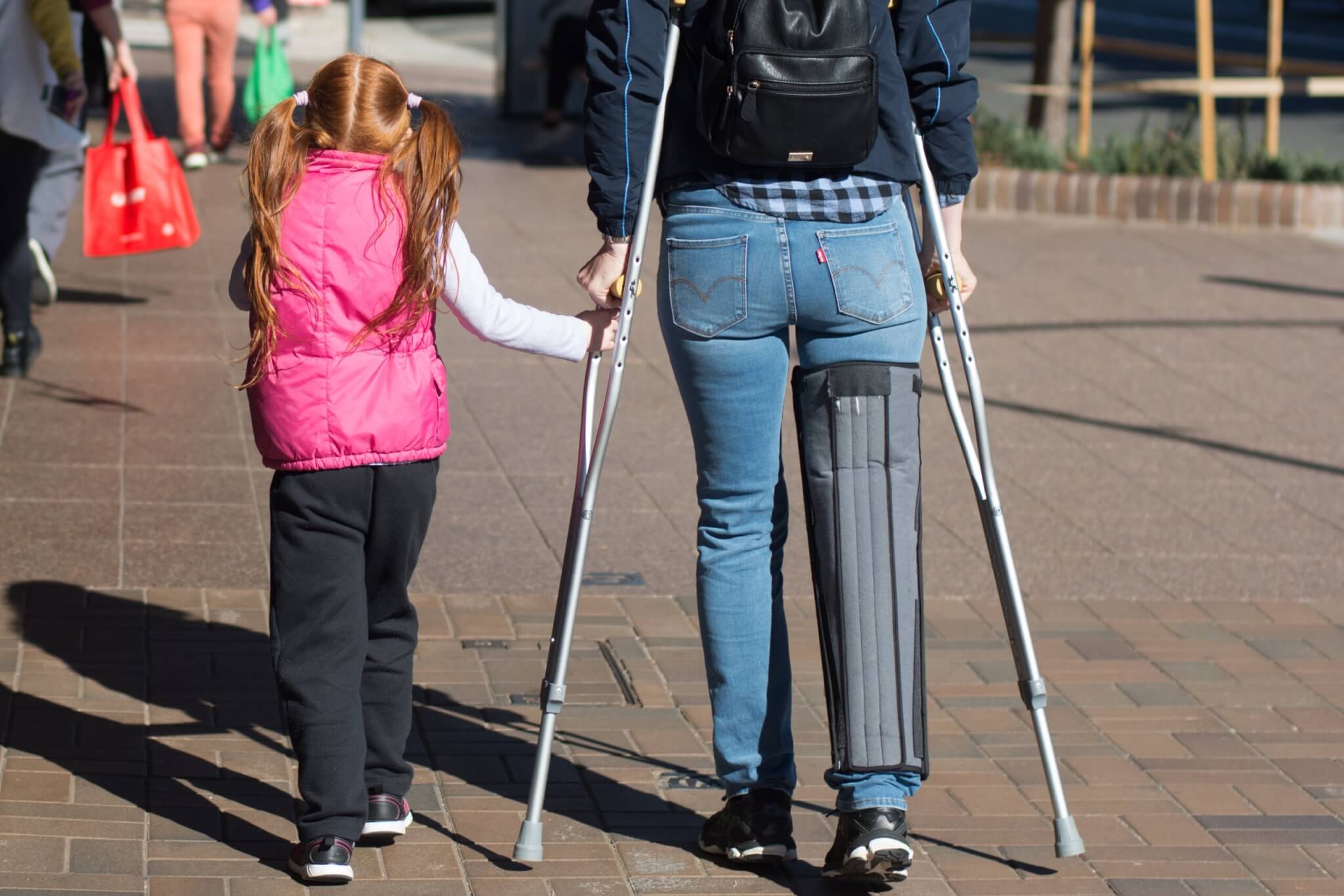
If you’ve suffered a serious injury in an accident that wasn’t your fault, you might assume that the main job of your personal injury solicitor is to get you compensation.
And, of course, that’s a very important part of it.
But in a serious injury claim, there’s something else your solicitor should be thinking about from a very early stage.
Rehabilitation.
Why? Because a serious injury compensation claim can take a long time to conclude, sometimes several years, and your recovery can’t wait that long.
If physiotherapy, specialist treatment, psychological support or other forms of rehabilitation could help you make the best possible recovery, regain some of your independence or simply make everyday life a little easier, there’s little point waiting until your claim has finished before trying to arrange them.
By then, valuable time may have been lost.
In this article, we’ll look at what rehabilitation means in the context of a serious injury claim, why getting it started early can be so important, who pays for it and what role your personal injury solicitor has in making it happen.
What do we mean by rehabilitation after a serious injury?
Mention rehabilitation and most people’s first thought is probably physiotherapy.
Physiotherapy can be an extremely important part of recovering from a serious injury, but rehabilitation is a much broader term than that.
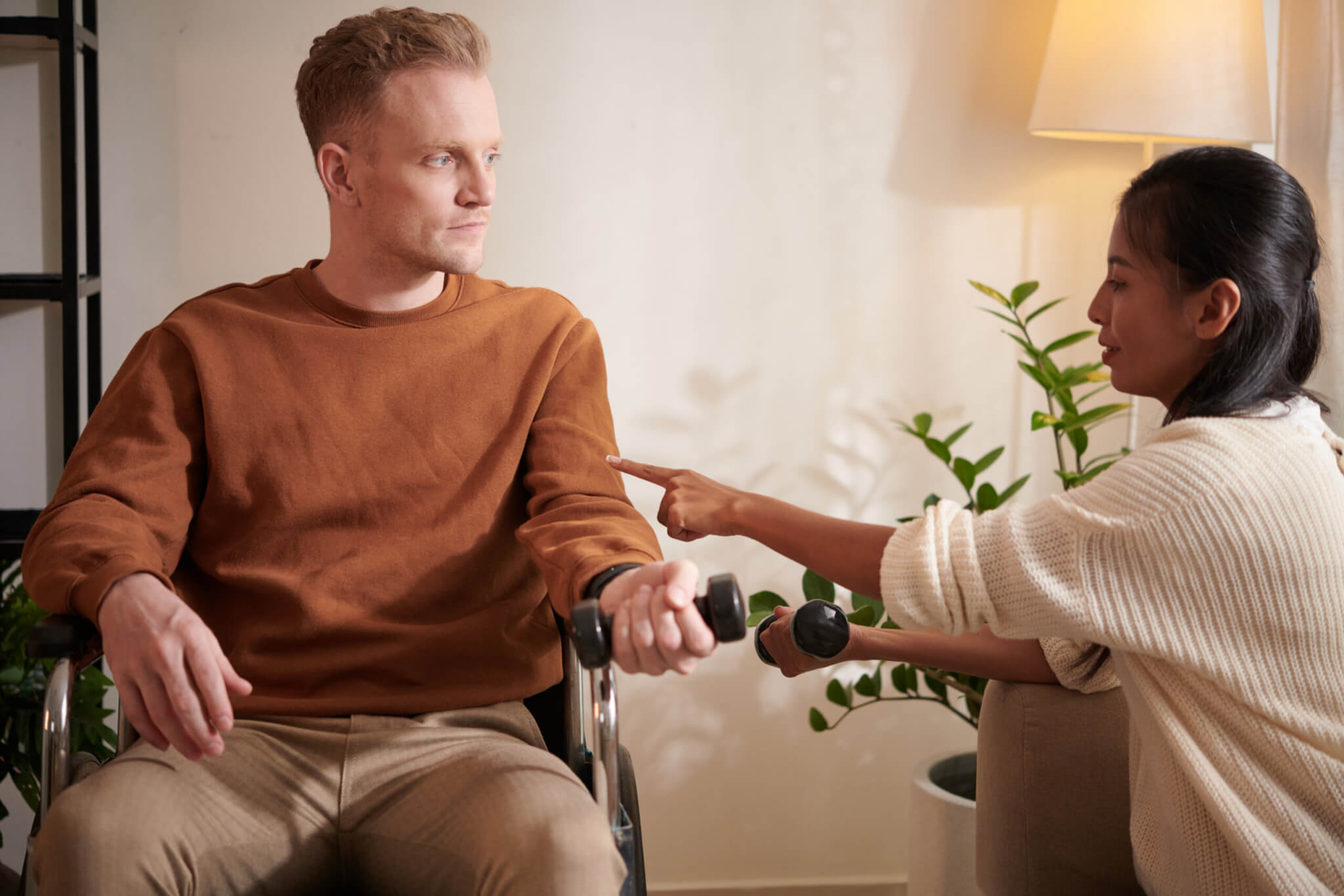
Depending on your injuries and individual circumstances, it might include physiotherapy, occupational therapy, neurorehabilitation, psychological treatment, specialist care and help returning to work or independent living.
In other words, rehabilitation isn’t simply about treating an injury.
It’s about helping you get as much of your independence, function and quality of life back as possible.
What that looks like will differ enormously from person to person.
For someone with a spinal injury, it might mean learning to use a wheelchair independently and adapting their home so they can get around it.
For someone recovering from a traumatic brain injury, the priorities might include improving their speech, memory or concentration.
There isn’t a standard rehabilitation programme that gets handed to everyone who suffers a serious injury. Nor should there be.
Why is early rehabilitation so important?
Following a serious accident, the immediate priority is to get medical treatment.
If you’ve suffered major trauma, doctors will need to stabilise your condition, carry out emergency treatment on your injuries and, maybe, quite literally, save your life.
So where does rehabilitation fit into all of this? Potentially, much earlier than you might think.
NICE guidance recommends that people who meet the criteria for major trauma should have their rehabilitation needs assessed while they’re still in hospital, with those needs reviewed as their recovery progresses.
And there’s evidence to suggest that integrating rehabilitation into trauma care early can make a real difference.
One UK study looked at what happened after a specialist rehabilitation service was embedded within a major trauma centre. The researchers found that this was associated with a 2.56-day reduction in hospital stay, almost one day less in intensive care and a 31% lower chance of death within 30 days. Patients also had almost twice the relative chance of achieving a good recovery.
That doesn’t mean starting rehabilitation early guarantees a better outcome. Serious injuries are complicated, every patient is different and this was an observational study.
Nevertheless, it helps explain why rehabilitation isn’t something that should automatically be left until months after an accident.
The earlier someone’s needs are properly identified, the earlier you can start looking at what might help.
What difference can rehabilitation make?
The answer depends entirely on the person and their injuries.
Take someone who has suffered multiple fractures in a road traffic accident, for example.
Initially, rehabilitation might be about getting them moving safely after surgery and preventing unnecessary loss of strength. Later, the goal could be walking independently, driving again or returning to work.
Someone with a brain injury could face a completely different set of challenges. Their rehabilitation may involve neuropsychology, occupational therapy and speech and language therapy as well as physiotherapy.
Recovery after a serious injury isn’t usually a straight line
There may be setbacks, and new problems can emerge once someone leaves hospital and tries to resume everyday life. Rehabilitation therefore needs to be reviewed and adjusted as someone’s recovery progresses.
What about the psychological effects of a serious injury?
They’re every bit as important.
Imagine being completely independent one day and, after an accident, suddenly needing someone to help you wash, dress or get out of bed.
Or being told you may never return to the career you’ve spent years building.
Or finding that your husband, wife or partner has unexpectedly become your carer.
That’s a lot for anyone to deal with.
Anxiety, depression, post-traumatic stress and difficulties adjusting to a changed life can all follow a serious injury. That’s why psychological support can be every bit as important as physical rehabilitation.
Families may need support too. Serious injuries rarely affect just one person.

Who actually organises all this rehabilitation?
If you’ve never been involved in a serious injury claim before – and hopefully you haven’t – you may be wondering how all these different treatments and professionals are supposed to fit together.
That’s where a case manager can come in.
Put simply, if you’ve got consultants, physiotherapists, occupational therapists, psychologists and perhaps carers all involved in your recovery, somebody needs to help join the dots.
In a serious injury claim, this will often begin with an Immediate Needs Assessment.
As the name suggests, this isn’t about deciding what someone might need in five years’ time.
It’s about asking, “What does this person need now?”
That might be treatment. It could be equipment. It could be help at home.
The recommendations can then form the basis of a rehabilitation plan.
Why not just wait for the compensation claim to finish?
Because you could be waiting a long time.
Serious injury claims are rarely straightforward.
There may be numerous medical experts involved. Sometimes doctors need to wait and see how an injury develops before they can confidently say what someone’s long-term prognosis is.
That’s important because you don’t want to settle a claim without understanding what the injured person’s future needs are likely to be.
Unfortunately, the downside is that a serious injury claim can take several years to conclude.
But imagine telling someone:
“We know physiotherapy could help you now, but your compensation claim might not settle for several years, so you’ll have to wait.”
That wouldn’t make much sense.
Fortunately, the claims process recognises this.
The Rehabilitation Code 2015 encourages solicitors and insurers to consider an injured person’s rehabilitation needs early rather than treating rehabilitation as something to sort out when the final compensation figure is agreed.
In high value cases, the Serious Injury Guide takes a similar approach, encouraging cooperation between the parties on rehabilitation and interim payments.
The principle behind both is a sensible one: the injured person’s needs shouldn’t have to fit around the legal timetable.
But who pays for private rehabilitation?
Here’s the obvious problem. Specialist rehabilitation can be expensive.
Very expensive.
Most people don’t have the money sitting in their bank account to privately fund months of physiotherapy, specialist equipment, carers or alterations to their home.
If another party was responsible for the accident, however, their insurer may agree to fund appropriate rehabilitation while the rest of the compensation claim is ongoing.
That’s something a specialist serious injury solicitor should explore at an early stage.
There may also be an opportunity to obtain an interim payment.
Where liability has been admitted, an interim payment is essentially an advance on the compensation you’re expected to receive when your claim concludes. Depending on the circumstances, it can help pay for rehabilitation, care, specialist equipment, accommodation needs or everyday living costs if your injuries prevent you from working.
Why does that matter?
Because compensation received three years from now can’t give you back a rehabilitation opportunity you needed three months after your accident.
What if the other side hasn’t admitted responsibility?
Things can become more difficult if liability is disputed.
Perhaps the insurer denies its policyholder caused the accident. Or maybe it accepts some responsibility but argues that the injured person was partly at fault.
Does that mean rehabilitation has to be forgotten about until the argument is resolved?
Not necessarily.
The Serious Injury Guide encourages the parties to identify areas of disagreement early while still considering what treatment and rehabilitation could help the injured person.
There will inevitably be cases where funding can’t immediately be agreed.
But your solicitor should still be asking the question: what support do you need now, and what can we do to try to get it?
Can rehabilitation help me return to work?
For some people, yes.
Returning to work can itself be an important rehabilitation goal, although the aim shouldn’t simply be to get someone back as quickly as possible. It needs to be safe and sustainable.
Some people can return to their previous job with reduced hours or amended duties. Others may need vocational rehabilitation to retrain or find work compatible with their injuries.
Sadly, for some people with life-changing injuries, returning to work won’t be realistic at all.
A good rehabilitation plan needs to recognise that too.
Is rehabilitation more important than compensation?
It’s tempting to treat rehabilitation and compensation as two separate things.
They aren’t.
Compensation is hugely important in a serious injury claim. If someone can no longer work, requires lifelong care or needs an adapted home, the compensation they receive may have to provide for them for the rest of their life.
But compensation isn’t simply a cheque at the end of a claim.
It’s supposed, as far as money possibly can, to help put the injured person back into the position they would have been in had the accident not happened.
Sometimes one of the best ways of doing that is to help them access the right rehabilitation before the claim ends.
How can Mooneerams help after a serious injury?
At Mooneerams Solicitors, we understand that dealing with a serious injury claim isn’t only about what happens at the end of the case.
What happens while you’re recovering matters too.
Our serious injury solicitors will take the time to understand how your injuries are affecting your day-to-day life and what support could help. Where appropriate, we’ll work with the other side and rehabilitation professionals to try to put treatment, therapy and practical assistance in place as early as possible.
We’ll also consider whether interim payments can be obtained to help meet immediate needs while your claim is ongoing.
Ultimately, our aim is to make sure that your claim reflects not only what you’ve already been through, but the treatment, care and support you may need in the future.
Most of the personal injury claims we handle are dealt with on a No Win No Fee basis.
If you or a family member has suffered a serious injury in an accident that wasn’t your fault, call us on 029 2199 1927 or complete our online contact form for a free, confidential initial discussion.

Posted in Personal Injury Claims